
Automotive Proximity Key Shells
Shop automotive proximity key shells at Noble Key Supply. These replacement housings provide a practical and affordable way to repair proximity keys with cracked cases, worn buttons, damaged attachment points, or missing emergency keys.
Proximity key shells are available in vehicle-specific designs with different shapes, button arrangements, internal mounting points, and emergency blade configurations. Compare the replacement housing with the original key before ordering to ensure the electronics and internal components will fit correctly.
Replacement Proximity Key Housings
A proximity key shell is the exterior housing that surrounds and protects the key’s internal electronics. It can restore a working proximity key when the original circuit board still functions but its case has become damaged or excessively worn.
A replacement proximity key housing may help correct problems such as:
- Cracked or separated case sections
- Worn or missing button pads
- Broken keyring attachment points
- Loose-fitting housing components
- Damaged battery covers
- Missing emergency keys
- Faded or damaged button icons
- Cosmetic wear on an otherwise functional key
- Internal components moving inside the case
- Gaps that expose the electronics to moisture or debris
Replacing the housing can extend the useful life of the existing proximity key without purchasing and programming an entirely new electronic key.
Shell Only—No Electronics Included
Products in this collection are replacement shells only unless an individual listing specifically states otherwise. The circuit board, proximity electronics, battery, transponder components, and programmed vehicle data are not included.
A proximity key shell cannot independently:
- Lock or unlock the vehicle
- Operate passive entry
- Start a push-button ignition
- Communicate with the immobilizer
- Transmit remote commands
- Store vehicle-specific programming
- Replace damaged or missing electronics
The original proximity key’s working circuit board and other necessary components must be transferred into the replacement housing. If the original electronics are missing, corroded, water-damaged, or malfunctioning, a complete replacement proximity key may be required.
Vehicle-Specific Proximity Key Shells
Proximity key housings are not universal. Manufacturers may use multiple shell styles across different vehicle models, production years, trim levels, and keyless-entry systems.
Compatibility can depend on:
- Vehicle year, make, and model
- Number of buttons
- Button icons and arrangement
- Overall case dimensions
- Circuit-board shape
- Internal mounting points
- Battery location
- Emergency key design
- Key-release mechanism
- Keyring or attachment-point location
Two keys can look nearly identical from the outside while using different circuit boards or internal layouts. Compare the original and replacement shells from multiple angles before transferring any components.
Button Layouts and Functions
Proximity key shells can be manufactured with different numbers of buttons and vehicle-specific functions. Common controls may include:
- Lock
- Unlock
- Panic
- Trunk release
- Liftgate release
- Remote start
- Power sliding doors
The replacement shell should match both the number of buttons and the location of each icon. A four-button housing is not automatically compatible with every four-button proximity key.
Incorrect button alignment can prevent the exterior pads from properly contacting the switches on the circuit board. It can also result in misleading icons, such as a trunk symbol positioned over a remote-start switch.
Four-Button Proximity Key Shells
The current collection includes four-button proximity key shells for compatible vehicle applications. These housings are designed to accept matching original electronics and reproduce the exterior form of the original proximity key.
Before choosing a four-button shell, compare:
- Button symbols
- Button sequence
- Front housing profile
- Rear cover design
- Circuit-board dimensions
- Battery position
- Emergency key release
- Internal supports and clips
Do not rely only on the button count. Multiple four-button shells can have different internal construction despite appearing similar in product images.
Emergency Door Keys
Select proximity key shells include an emergency door key. This mechanical blade provides access to the vehicle when the proximity system, key battery, or vehicle battery is unavailable.
An included emergency key is generally supplied uncut. It must be duplicated from a working blade or cut according to verified vehicle key-code information.
Before cutting, confirm:
- Blade profile
- Blade length and dimensions
- Head and retention design
- Compatibility with the replacement housing
- Vehicle key code
- Cutting-machine setup
- Correct jaw, cutter, or adapter
Test the completed emergency key in the appropriate mechanical lock. The blade should enter and operate smoothly without excessive pressure.
When to Replace a Proximity Key Shell
A replacement shell is appropriate when the original electronics continue to function but the exterior housing no longer protects or secures them correctly.
Common signs that a new housing may be needed include:
- Buttons work only when pressed at an angle
- Rubber button areas are split or worn through
- The shell will not remain closed
- The battery cover is loose or missing
- The circuit board shifts inside the housing
- The keyring attachment has broken
- The emergency key will not stay secured
- The case has visible cracks
- Moisture or debris can enter the housing
- The key looks heavily worn despite working properly
Replacing a damaged shell promptly can help protect the reusable electronics from impact, moisture, dirt, and continued physical stress.
Shell Replacement Versus a Complete Proximity Key
A replacement shell and a complete proximity key solve different problems.
Choose a proximity key shell when:
- The original electronics remain functional
- The vehicle recognizes the key
- Remote buttons operate correctly
- Passive entry still works
- Push-button starting works normally
- The housing is the primary problem
- The circuit board can be safely transferred
A complete proximity key may be necessary when:
- The circuit board is missing
- The electronics have water or impact damage
- The remote functions have failed electronically
- The vehicle no longer recognizes the key
- Passive entry or starting no longer works
- A second programmed key is required
- The original key cannot be repaired
A complete electronic key normally requires vehicle programming. A shell-only repair generally preserves the existing programming because the original circuit board is reused.
Proximity Key Shell Replacement Process
Replacing a proximity key housing generally involves the following steps:
- Test the original proximity key and confirm that every function works.
- Compare the original housing with the replacement shell.
- Open the damaged case carefully using appropriate tools.
- Remove the circuit board and reusable internal components.
- Inspect the electronics for corrosion, cracks, or physical damage.
- Transfer the circuit board and other required parts.
- Install the correct battery when necessary.
- Check that the button pads align with the board switches.
- Confirm that the emergency key release operates correctly.
- Close the housing without pinching or stressing the electronics.
- Cut the emergency key when required.
- Test every remote, proximity, starting, and mechanical function.
Never force a housing closed. Resistance may indicate that the circuit board, battery, or another component is incorrectly positioned.
Programming After a Shell Replacement
Programming is generally unnecessary when the original working circuit board is transferred into a compatible replacement housing. The vehicle recognizes the programmed electronics rather than the plastic shell.
After completing the transfer, test:
- Door locking
- Door unlocking
- Panic alarm
- Trunk or liftgate release
- Remote start when equipped
- Passive entry
- Push-button starting
- Emergency door access
If the proximity key stops working after the transfer, inspect the battery orientation, battery contacts, circuit-board placement, button alignment, and case fit before assuming the programming has been lost.
Installing a different or unprogrammed circuit board changes the service from a shell replacement to an electronic key replacement. Vehicle programming may then be required.
Protecting the Original Electronics
The circuit board is the most valuable and sensitive component in the original proximity key. It should be handled carefully throughout the shell replacement.
Recommended precautions include:
- Work on a clean and dry surface
- Use non-marring opening tools
- Avoid bending the circuit board
- Keep metal tools away from exposed contacts
- Do not touch electronic components unnecessarily
- Inspect the board for moisture or corrosion
- Confirm that the buttons move freely
- Check battery-contact alignment
- Avoid forcing clips or case sections
- Keep small internal parts organized
If the replacement shell does not assemble naturally, reopen it and verify the placement of every component. Excessive pressure can crack the circuit board or damage surface-mounted electronics.
Match the Original Housing Design
The most dependable way to choose a replacement proximity key shell is to compare it directly with the customer’s original key.
Review:
- Front and rear case shape
- Number of buttons
- Button artwork
- Button placement
- Side contours
- Keyring attachment
- Emergency key release
- Battery cover
- Internal component locations
- Circuit-board supports
- Case-retention clips
Small differences can determine whether the electronics fit securely. Product photos should be compared carefully with the complete original housing, not only with the front button panel.
Proximity Key Shells for Cars, Trucks, SUVs, and Vans
Proximity-key systems are used across many types of vehicles, including passenger cars, trucks, SUVs, crossovers, and commercial vans. Shell design can vary substantially even among vehicles from the same manufacturer.
A replacement housing should be selected according to the original key and exact vehicle application. Model name alone may not be enough because manufacturers can change key designs during a production run or offer different keys according to trim and equipment.
Always verify the current individual product listing for the most accurate fitment and included components.
Benefits of Reusing Working Electronics
Transferring functional electronics into a compatible new shell can provide several advantages:
- Avoids unnecessary key programming
- Preserves the key’s existing vehicle pairing
- Restores worn or damaged buttons
- Protects the original circuit board
- Improves the key’s appearance
- Replaces a broken attachment point
- Restores the emergency key holder
- Costs less than replacing a complete proximity key
The result depends on the condition of the original electronics and the accuracy of the shell match. Test the original key before disassembly so electronic problems are not mistaken for housing damage.
How to Select the Correct Proximity Key Shell
Before ordering, verify:
- Vehicle year, make, and model
- Original proximity-key style
- Number of buttons
- Button icons and arrangement
- Front and rear housing shape
- Circuit-board size and design
- Internal mounting locations
- Battery position
- Emergency key profile
- Emergency key release mechanism
- Keyring attachment location
- Individual product fitment
- Included components
- Components that must be transferred
Checking each detail helps prevent ordering a housing that looks similar but cannot securely accept the original electronics.
Shop Proximity Key Shells at Noble Key Supply
Browse automotive proximity key shells at Noble Key Supply. Find vehicle-specific replacement housings designed to restore damaged proximity keys while allowing compatible working electronics to be reused.
Compare the button layout, housing shape, internal design, emergency key, and listed vehicle fitment before ordering. With the correct replacement shell, locksmiths and automotive key professionals can restore the appearance and durability of a working proximity key without replacing its programmed electronics.
Original price
$0.00
-
Original price
$0.00
Original price
$0.00
$9.99
$9.99
-
$9.99
Current price
$9.99
SH-FD-237
In Stock
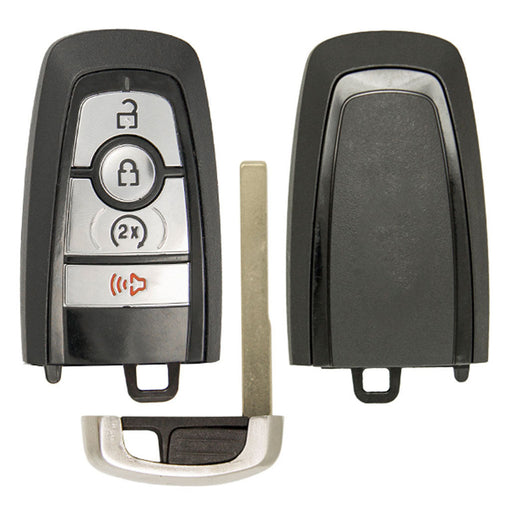
4 Button Proximity Key Shell for Ford Includes Emergency Door Key Note: This is a shell ONLY. No electronics included with this item.
Original price
$0.00
-
Original price
$0.00
Original price
$0.00
$9.99
$9.99
-
$9.99
Current price
$9.99
Original price
$0.00
-
Original price
$0.00
Original price
$0.00
$7.99
$7.99
-
$7.99
Current price
$7.99
SH-FD-234
In Stock
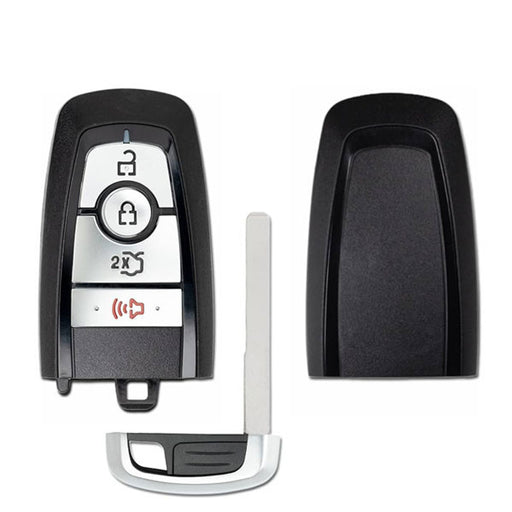
4 Button Proximity Key Shell for Ford, Lincoln Includes Emergency Door Key Note: This is a shell ONLY. No electronics included with this item.
Original price
$0.00
-
Original price
$0.00
Original price
$0.00
$7.99
$7.99
-
$7.99
Current price
$7.99
Original price
$0.00
-
Original price
$0.00
Original price
$0.00
$9.99
$9.99
-
$9.99
Current price
$9.99
SH-FD-238
In Stock
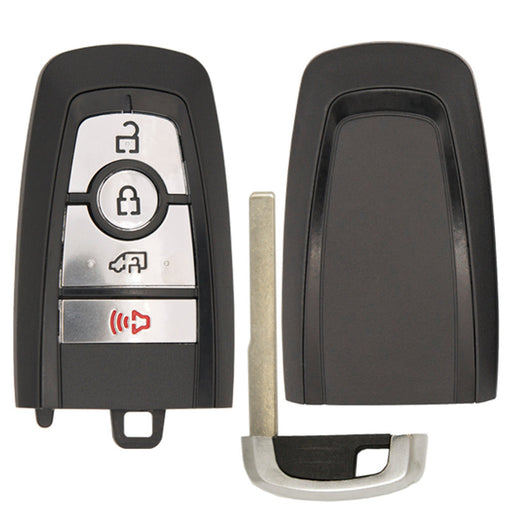
4 Button Proximity Key Shell for Ford Transit Includes Emergency Door Key Note: This is a shell ONLY. No electronics included with this item.
Original price
$0.00
-
Original price
$0.00
Original price
$0.00
$9.99
$9.99
-
$9.99
Current price
$9.99
Shop automotive proximity key shells at Noble Key Supply. These replacement housings provide a practical and affordable way to repair proximity keys with cracked cases, worn buttons, damaged attachment points, or missing emergency keys.
Proximity key shells are available in vehicle-specific designs with different shapes, button arrangements, internal mounting points, and emergency blade configurations. Compare the replacement housing with the original key before ordering to ensure the electronics and internal components will fit correctly.
Replacement Proximity Key Housings
A proximity key shell is the exterior housing that surrounds and protects the key’s internal electronics. It can restore a working proximity key when the original circuit board still functions but its case has become damaged or excessively worn.
A replacement proximity key housing may help correct problems such as:
- Cracked or separated case sections
- Worn or missing button pads
- Broken keyring attachment points
- Loose-fitting housing components
- Damaged battery covers
- Missing emergency keys
- Faded or damaged button icons
- Cosmetic wear on an otherwise functional key
- Internal components moving inside the case
- Gaps that expose the electronics to moisture or debris
Replacing the housing can extend the useful life of the existing proximity key without purchasing and programming an entirely new electronic key.
Shell Only—No Electronics Included
Products in this collection are replacement shells only unless an individual listing specifically states otherwise. The circuit board, proximity electronics, battery, transponder components, and programmed vehicle data are not included.
A proximity key shell cannot independently:
- Lock or unlock the vehicle
- Operate passive entry
- Start a push-button ignition
- Communicate with the immobilizer
- Transmit remote commands
- Store vehicle-specific programming
- Replace damaged or missing electronics
The original proximity key’s working circuit board and other necessary components must be transferred into the replacement housing. If the original electronics are missing, corroded, water-damaged, or malfunctioning, a complete replacement proximity key may be required.
Vehicle-Specific Proximity Key Shells
Proximity key housings are not universal. Manufacturers may use multiple shell styles across different vehicle models, production years, trim levels, and keyless-entry systems.
Compatibility can depend on:
- Vehicle year, make, and model
- Number of buttons
- Button icons and arrangement
- Overall case dimensions
- Circuit-board shape
- Internal mounting points
- Battery location
- Emergency key design
- Key-release mechanism
- Keyring or attachment-point location
Two keys can look nearly identical from the outside while using different circuit boards or internal layouts. Compare the original and replacement shells from multiple angles before transferring any components.
Button Layouts and Functions
Proximity key shells can be manufactured with different numbers of buttons and vehicle-specific functions. Common controls may include:
- Lock
- Unlock
- Panic
- Trunk release
- Liftgate release
- Remote start
- Power sliding doors
The replacement shell should match both the number of buttons and the location of each icon. A four-button housing is not automatically compatible with every four-button proximity key.
Incorrect button alignment can prevent the exterior pads from properly contacting the switches on the circuit board. It can also result in misleading icons, such as a trunk symbol positioned over a remote-start switch.
Four-Button Proximity Key Shells
The current collection includes four-button proximity key shells for compatible vehicle applications. These housings are designed to accept matching original electronics and reproduce the exterior form of the original proximity key.
Before choosing a four-button shell, compare:
- Button symbols
- Button sequence
- Front housing profile
- Rear cover design
- Circuit-board dimensions
- Battery position
- Emergency key release
- Internal supports and clips
Do not rely only on the button count. Multiple four-button shells can have different internal construction despite appearing similar in product images.
Emergency Door Keys
Select proximity key shells include an emergency door key. This mechanical blade provides access to the vehicle when the proximity system, key battery, or vehicle battery is unavailable.
An included emergency key is generally supplied uncut. It must be duplicated from a working blade or cut according to verified vehicle key-code information.
Before cutting, confirm:
- Blade profile
- Blade length and dimensions
- Head and retention design
- Compatibility with the replacement housing
- Vehicle key code
- Cutting-machine setup
- Correct jaw, cutter, or adapter
Test the completed emergency key in the appropriate mechanical lock. The blade should enter and operate smoothly without excessive pressure.
When to Replace a Proximity Key Shell
A replacement shell is appropriate when the original electronics continue to function but the exterior housing no longer protects or secures them correctly.
Common signs that a new housing may be needed include:
- Buttons work only when pressed at an angle
- Rubber button areas are split or worn through
- The shell will not remain closed
- The battery cover is loose or missing
- The circuit board shifts inside the housing
- The keyring attachment has broken
- The emergency key will not stay secured
- The case has visible cracks
- Moisture or debris can enter the housing
- The key looks heavily worn despite working properly
Replacing a damaged shell promptly can help protect the reusable electronics from impact, moisture, dirt, and continued physical stress.
Shell Replacement Versus a Complete Proximity Key
A replacement shell and a complete proximity key solve different problems.
Choose a proximity key shell when:
- The original electronics remain functional
- The vehicle recognizes the key
- Remote buttons operate correctly
- Passive entry still works
- Push-button starting works normally
- The housing is the primary problem
- The circuit board can be safely transferred
A complete proximity key may be necessary when:
- The circuit board is missing
- The electronics have water or impact damage
- The remote functions have failed electronically
- The vehicle no longer recognizes the key
- Passive entry or starting no longer works
- A second programmed key is required
- The original key cannot be repaired
A complete electronic key normally requires vehicle programming. A shell-only repair generally preserves the existing programming because the original circuit board is reused.
Proximity Key Shell Replacement Process
Replacing a proximity key housing generally involves the following steps:
- Test the original proximity key and confirm that every function works.
- Compare the original housing with the replacement shell.
- Open the damaged case carefully using appropriate tools.
- Remove the circuit board and reusable internal components.
- Inspect the electronics for corrosion, cracks, or physical damage.
- Transfer the circuit board and other required parts.
- Install the correct battery when necessary.
- Check that the button pads align with the board switches.
- Confirm that the emergency key release operates correctly.
- Close the housing without pinching or stressing the electronics.
- Cut the emergency key when required.
- Test every remote, proximity, starting, and mechanical function.
Never force a housing closed. Resistance may indicate that the circuit board, battery, or another component is incorrectly positioned.
Programming After a Shell Replacement
Programming is generally unnecessary when the original working circuit board is transferred into a compatible replacement housing. The vehicle recognizes the programmed electronics rather than the plastic shell.
After completing the transfer, test:
- Door locking
- Door unlocking
- Panic alarm
- Trunk or liftgate release
- Remote start when equipped
- Passive entry
- Push-button starting
- Emergency door access
If the proximity key stops working after the transfer, inspect the battery orientation, battery contacts, circuit-board placement, button alignment, and case fit before assuming the programming has been lost.
Installing a different or unprogrammed circuit board changes the service from a shell replacement to an electronic key replacement. Vehicle programming may then be required.
Protecting the Original Electronics
The circuit board is the most valuable and sensitive component in the original proximity key. It should be handled carefully throughout the shell replacement.
Recommended precautions include:
- Work on a clean and dry surface
- Use non-marring opening tools
- Avoid bending the circuit board
- Keep metal tools away from exposed contacts
- Do not touch electronic components unnecessarily
- Inspect the board for moisture or corrosion
- Confirm that the buttons move freely
- Check battery-contact alignment
- Avoid forcing clips or case sections
- Keep small internal parts organized
If the replacement shell does not assemble naturally, reopen it and verify the placement of every component. Excessive pressure can crack the circuit board or damage surface-mounted electronics.
Match the Original Housing Design
The most dependable way to choose a replacement proximity key shell is to compare it directly with the customer’s original key.
Review:
- Front and rear case shape
- Number of buttons
- Button artwork
- Button placement
- Side contours
- Keyring attachment
- Emergency key release
- Battery cover
- Internal component locations
- Circuit-board supports
- Case-retention clips
Small differences can determine whether the electronics fit securely. Product photos should be compared carefully with the complete original housing, not only with the front button panel.
Proximity Key Shells for Cars, Trucks, SUVs, and Vans
Proximity-key systems are used across many types of vehicles, including passenger cars, trucks, SUVs, crossovers, and commercial vans. Shell design can vary substantially even among vehicles from the same manufacturer.
A replacement housing should be selected according to the original key and exact vehicle application. Model name alone may not be enough because manufacturers can change key designs during a production run or offer different keys according to trim and equipment.
Always verify the current individual product listing for the most accurate fitment and included components.
Benefits of Reusing Working Electronics
Transferring functional electronics into a compatible new shell can provide several advantages:
- Avoids unnecessary key programming
- Preserves the key’s existing vehicle pairing
- Restores worn or damaged buttons
- Protects the original circuit board
- Improves the key’s appearance
- Replaces a broken attachment point
- Restores the emergency key holder
- Costs less than replacing a complete proximity key
The result depends on the condition of the original electronics and the accuracy of the shell match. Test the original key before disassembly so electronic problems are not mistaken for housing damage.
How to Select the Correct Proximity Key Shell
Before ordering, verify:
- Vehicle year, make, and model
- Original proximity-key style
- Number of buttons
- Button icons and arrangement
- Front and rear housing shape
- Circuit-board size and design
- Internal mounting locations
- Battery position
- Emergency key profile
- Emergency key release mechanism
- Keyring attachment location
- Individual product fitment
- Included components
- Components that must be transferred
Checking each detail helps prevent ordering a housing that looks similar but cannot securely accept the original electronics.
Shop Proximity Key Shells at Noble Key Supply
Browse automotive proximity key shells at Noble Key Supply. Find vehicle-specific replacement housings designed to restore damaged proximity keys while allowing compatible working electronics to be reused.
Compare the button layout, housing shape, internal design, emergency key, and listed vehicle fitment before ordering. With the correct replacement shell, locksmiths and automotive key professionals can restore the appearance and durability of a working proximity key without replacing its programmed electronics.