
Mitsubishi Transponder Keys
Shop Mitsubishi transponder keys for professional automotive key replacement at Noble Key Supply. This collection includes Paladin premium aftermarket keys with multiple mechanical blade profiles and application-specific transponder chips.
Available chip configurations include ID46, ID47, 4D60, and 4D61. Because Mitsubishi keys with similar molded heads may contain different transponders or blade profiles, verify the vehicle, chip, keyway, and programming requirements before ordering.
What Is a Mitsubishi Transponder Key?
A transponder key contains a small electronic chip inside its molded head. When the key is placed in the ignition, the vehicle’s immobilizer attempts to identify the transponder.
If the chip has been properly programmed and its data is accepted, the immobilizer authorizes the vehicle to start. If the transponder is missing, incompatible, or not programmed, the mechanical blade may turn while the engine remains immobilized.
A complete replacement requires both:
- The correct mechanical blade
- The correct transponder chip
Neither part should be selected by visual appearance alone.
Paladin Premium Aftermarket Mitsubishi Keys
The Mitsubishi transponder keys in this collection are Paladin premium aftermarket replacements. They are designed to provide professional locksmiths with dependable alternatives for compatible vehicle applications.
Paladin transponder keys are quality tested for consistent construction and reliable professional use. Each product should still be inspected before cutting to confirm that the blade and chip match the intended vehicle.
Available Paladin product families include:
- MIT8-PT
- MIT9-PT
- MIT12-PT
- MIT13-PT
- MIT14-PT
- MIT16A-PT
- MIT-EC-PT
These product numbers represent different chip and mechanical key configurations. They are not interchangeable.
Mitsubishi ID46 Transponder Keys
The MIT16A-PT is an aftermarket Mitsubishi transponder key containing an ID46 chip. ID46 belongs to the Philips Crypto transponder family and is used in select immobilizer applications.
The key may be cross-referenced with identifiers such as:
- MIT6-CAN
- MIT16-PT
- MIT16-PHT
- TP12MIT18P
Cross-reference numbers are useful for narrowing the application, but the vehicle model, production year, and immobilizer system must still be verified.
A programmer that supports one ID46 vehicle does not necessarily support every Mitsubishi application using that chip family.
Mitsubishi ID47 Transponder Keys
The MIT-EC-PT is an aftermarket transponder key for supported Mitsubishi Eclipse Cross applications. It contains an ID47 transponder and uses an application-specific mechanical blade.
ID47 is electronically different from ID46, 4D60, and 4D61. A key with another chip cannot be substituted simply because the blade appears similar.
Before using an ID47 key, confirm:
- Mitsubishi Eclipse Cross model year
- Immobilizer system
- Blade profile
- Programmer support
- Add-key or all-keys-lost condition
- Required security access
Review current programming-tool coverage before cutting the key.
Mitsubishi 4D60 Transponder Keys
The collection includes MIT8-PT and MIT9-PT keys containing 4D60 transponders. These keys use different mechanical profiles despite sharing the same chip family.
The MIT8-PT uses an MIT8 test-key reference, while the MIT9-PT uses an MIT6 reference. This difference is important because a compatible chip cannot compensate for an incorrect blade.
Confirm both the 4D60 chip and the correct keyway before ordering.
Mitsubishi 4D61 Transponder Keys
Several keys in the collection use 4D61 transponders, including:
- MIT12-PT
- MIT13-PT
- MIT14-PT
These products have different blade profiles and replacement references.
The MIT12-PT is associated with an MIT8 test-key reference. The MIT13-PT uses an MIT6 reference, while the MIT14-PT uses an MIT3 reference.
A 4D61 designation confirms the transponder family, but it does not establish mechanical compatibility. Match the complete key configuration to the vehicle.
MIT12 Transponder Keys
The MIT12-PT is a Paladin aftermarket Mitsubishi key with a 4D61 chip and an MIT8 mechanical test-key reference.
Replacement and cross-reference numbers may include:
- 5907793
- MIT-12PHT
- TP26MIT12P
- MR587315
Use these numbers with the vehicle application and chip type. Similar part names do not guarantee that the blade or immobilizer configuration is identical.
MIT13 Transponder Keys
The MIT13-PT contains a 4D61 transponder and uses an MIT6 mechanical reference.
Associated replacement numbers may include:
- 692564
- BMIT13-PT
- MIT13-PHT
- TP26MIT18P
Verify the entire product number and vehicle application before cutting. MIT13 and MIT16-style keys may use a related mechanical profile while containing different transponder systems.
MIT14 Transponder Keys
The MIT14-PT combines a 4D61 transponder with an MIT3 mechanical reference.
Cross-reference numbers may include:
- MITS-EVO-KEY
- MITS14-PT
- TP26-MIT-8DP
- MR587430
A cross-reference containing a vehicle description should still be confirmed against the exact model year and immobilizer system.
MIT16A Transponder Keys
The MIT16A-PT contains an ID46 transponder rather than a 4D61 chip. It may share an MIT6 test-key reference with other Mitsubishi key products, but the electronic configuration is different.
This is a clear example of why blade profile alone cannot confirm a compatible transponder key. Always identify the chip before cutting or programming.
MIT8 and MIT9 Transponder Keys
The MIT8-PT and MIT9-PT both contain 4D60 transponders, but their blade references differ.
The MIT8-PT is associated with:
- 4D60 chip
- MIT8 test-key reference
- MIT8 Lishi or keyway reference
The MIT9-PT is associated with:
- 4D60 chip
- MIT6 test-key reference
- MIT6 Lishi or keyway reference
Select the key using confirmed application data rather than choosing either 4D60 option at random.
Blade Profiles and Test-Key References
The test-key reference in a listing helps identify the mechanical profile used to check the vehicle’s lock. References represented in this collection include:
- MIT3
- MIT6
- MIT8
A test key typically confirms mechanical entry and rotation but does not include the transponder required to start an immobilizer-equipped vehicle.
The test-key designation should be used with:
- Vehicle application
- Transponder type
- Product number
- Keyway
- Manufacturer part number
- Programming coverage
Two transponder keys can share a test-key reference while using different chips.
Mitsubishi Keyway and Lishi References
Product listings may also identify a compatible Lishi or decoder reference, including:
- MIT6
- MIT8
- MIT9
- MIT11
These references can help a professional locksmith identify the lock system or select a compatible decoding tool. They do not replace complete vehicle application data.
A Lishi reference may differ from the transponder-key product number or test-key identifier, so review each specification separately.
Transponder Key Versus Remote Key
A Mitsubishi transponder key is a basic starting key with an embedded immobilizer chip. It generally does not include remote-control buttons.
A remote key combines the transponder with buttons for functions such as:
- Lock
- Unlock
- Trunk or hatch release
- Panic alarm
A proximity key supports a keyless-start system and may remain in the driver’s pocket or bag.
Before ordering, determine whether the customer needs:
- A basic transponder key
- A remote head key
- A remote flip key
- A complete proximity key
- A standalone remote
- An emergency insert blade
A basic transponder key may start a compatible vehicle without reproducing the remote functions of the original key.
Match the Chip and Blade
Mitsubishi transponder keys should be selected using both mechanical and electronic information.
For example:
- MIT13-PT and MIT16A-PT may use an MIT6 mechanical reference
- MIT13-PT contains a 4D61 chip
- MIT16A-PT contains an ID46 chip
The keys may operate a similar lock profile while communicating with different immobilizer systems. Installing the wrong chip can result in a key that turns but will not start the vehicle.
Alternative and Replacement Part Numbers
Replacement-key products are often listed under several industry identifiers. These can include original-equipment references, distributor numbers, aftermarket names, and transponder-key catalog numbers.
When comparing part numbers:
- Match the complete identifier
- Confirm the chip type
- Verify the blade profile
- Check the vehicle model and year
- Review superseded numbers
- Confirm programming-tool support
Do not assume that all numbers within the same MIT product family are equivalent.
Cutting Mitsubishi Transponder Keys
The mechanical blade must be cut before the key can operate the vehicle’s door and ignition locks. A professional locksmith may originate the key from code, duplicate a reliable existing key, or decode the appropriate lock.
Before cutting, verify:
- Key profile
- Test-key reference
- Required cutting machine
- Jaw or clamp
- Tip or shoulder alignment
- Cutting-card selection
- Source-key condition
- Blade orientation
If the original key is heavily worn, copying its damaged cuts can produce poor results. Origination from code or decoded lock data may provide a more accurate replacement.
Programming Mitsubishi Transponder Keys
After cutting, the chip must be programmed to the vehicle’s immobilizer system. The procedure depends on the Mitsubishi model, year, chip type, and available working keys.
Professional programming may include:
- Identifying the immobilizer system
- Confirming the transponder
- Preparing the chip when required
- Establishing stable vehicle voltage
- Accessing the immobilizer
- Learning the new key
- Confirming the stored-key count
- Testing vehicle starting
Programming a key does not add remote functions to a basic transponder key.
Add-Key and All-Keys-Lost Situations
Programming requirements can change significantly when no working key is available.
An add-key procedure may use an existing authorized key or a simpler immobilizer-learning process. An all-keys-lost procedure may require additional security access, a PIN or password calculation, module data, or advanced programming equipment.
Before cutting the key, confirm that your equipment supports:
- Vehicle model and year
- Required chip
- Add-key programming
- All-keys-lost programming
- PIN or security access
- Key erasure when necessary
- Required cables and adapters
Support for adding a key does not automatically mean the same tool supports all-keys-lost programming.
Inspect the Key Before Cutting
A cut transponder key generally cannot be returned to unused inventory. Inspect every key first.
Confirm that:
- The correct Paladin part number was received
- The blade matches the vehicle
- The blade is straight and undamaged
- The molded head is secure
- The listed chip is present
- The transponder reads correctly
- The programmer supports the application
- The customer’s vehicle information is accurate
Completing these checks helps prevent wasted blanks and failed programming attempts.
How to Choose the Correct Mitsubishi Transponder Key
Before ordering, verify:
- Vehicle year, make, and model
- Original key style
- Mechanical blade profile
- Test-key reference
- Transponder-chip type
- Paladin product number
- OEM or replacement part number
- Lishi or keyway reference
- Immobilizer generation
- Programming-tool compatibility
- Add-key or all-keys-lost condition
- Whether remote functions are required
Using multiple identifiers is more reliable than selecting a key based on its housing.
Shop Mitsubishi Transponder Keys at Noble Key Supply
Browse Paladin premium aftermarket transponder keys for compatible Mitsubishi vehicles at Noble Key Supply. Choose from multiple blade profiles with ID46, ID47, 4D60, and 4D61 transponder options.
Compare the chip, keyway, test-key reference, replacement part number, vehicle application, and programming requirements to find the correct key for each professional locksmith job.
Original price
$0.00
-
Original price
$0.00
Original price
$0.00
$5.99
$5.99
-
$5.99
Current price
$5.99
K-MIT13-PT
In Stock
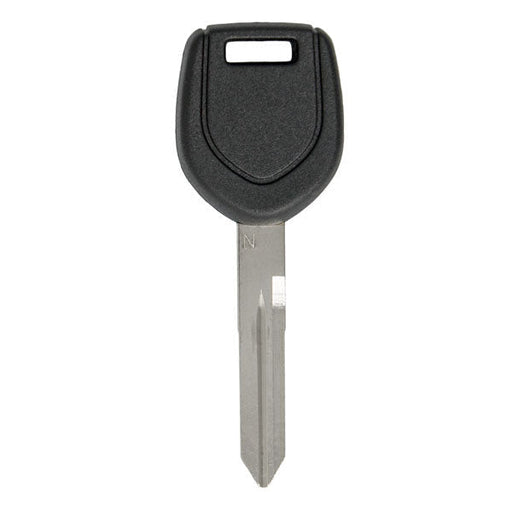
MIT13-PT Transponder KeyAftermarket ReplacementChip: 4D61Test Key: MIT6Lishi: MIT9 / MIT6Replaces PN: 692564, BMIT13-PT, MIT13-PHT, TP26MIT18P, 690...
View Full Details
Original price
$0.00
-
Original price
$0.00
Original price
$0.00
$5.99
$5.99
-
$5.99
Current price
$5.99
Original price
$0.00
-
Original price
$0.00
Original price
$0.00
$5.99
$5.99
-
$5.99
Current price
$5.99
K-MIT16-PT
In Stock
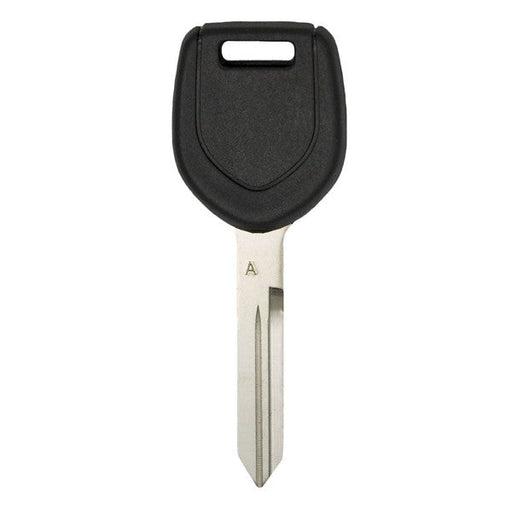
MIT16A-PT Transponder KeyAftermarket ReplacementChip: ID46Test Key: MIT6Lishi: MIT9 / MIT6Replaces PN: MIT6-CAN, MIT16-PT, MIT16-PHT, TP12MIT18P, 6...
View Full Details
Original price
$0.00
-
Original price
$0.00
Original price
$0.00
$5.99
$5.99
-
$5.99
Current price
$5.99
Original price
$0.00
-
Original price
$0.00
Original price
$0.00
$5.99
$5.99
-
$5.99
Current price
$5.99
K-MIT12-PT
Out of stock
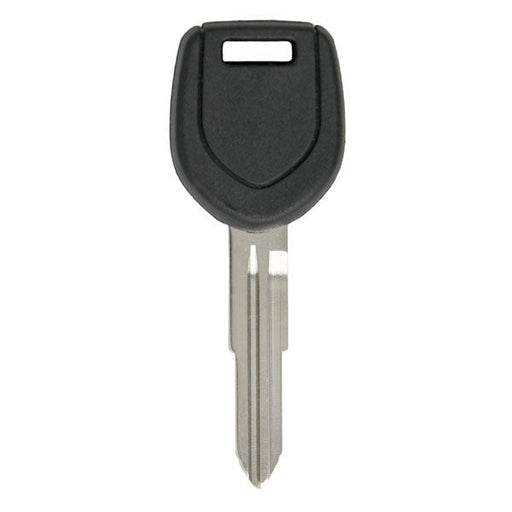
MIT12-PT Transponder KeyAftermarket ReplacementChip: 4D61Test Key: MIT8Lishi: MIT8Replaces PN: 5907793, MIT-12PHT, TP26MIT12P, MR587315Note:LEARN M...
View Full Details
Original price
$0.00
-
Original price
$0.00
Original price
$0.00
$5.99
$5.99
-
$5.99
Current price
$5.99
Sold Out
Original price
$0.00
-
Original price
$0.00
Original price
$0.00
$6.99
$6.99
-
$6.99
Current price
$6.99
K-MIT14-PT
In Stock
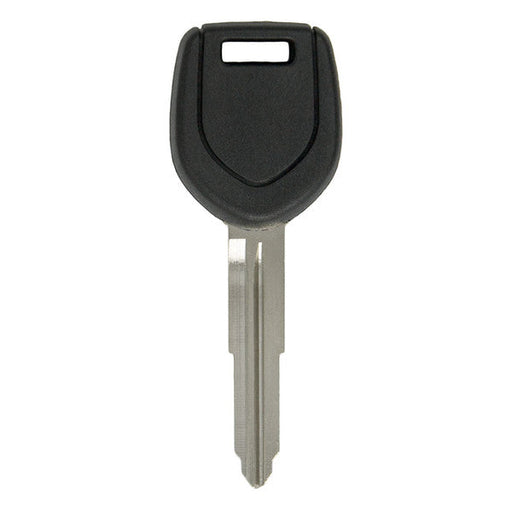
MIT14-PT Transponder KeyAftermarket ReplacementChip: 4D61Test Key: MIT3Lishi: MIT11Replaces PN: MITS-EVO-KEY, MITS14-PT, TP26-MIT-8DP, MR587430Note...
View Full Details
Original price
$0.00
-
Original price
$0.00
Original price
$0.00
$6.99
$6.99
-
$6.99
Current price
$6.99
Original price
$0.00
-
Original price
$0.00
Original price
$0.00
$5.99
$5.99
-
$5.99
Current price
$5.99
K-MIT9-PT
In Stock
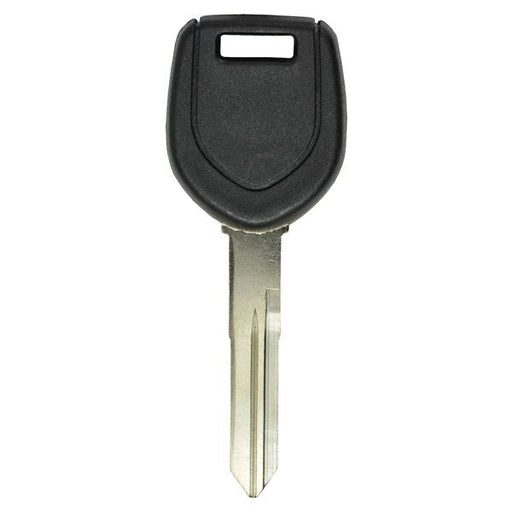
MIT9-PT Transponder KeyAftermarket ReplacementChip: 4D 60Test Key: MIT6Lishi: MIT6Replaces PN: Note:LEARN MORE → ALL ABOUT PALADIN PREMIUM AFTERMAR...
View Full Details
Original price
$0.00
-
Original price
$0.00
Original price
$0.00
$5.99
$5.99
-
$5.99
Current price
$5.99
Original price
$15.99
-
Original price
$15.99
Original price
$15.99
$15.99
-
$15.99
Current price
$15.99
K-MIT-EC-PT
Low stock
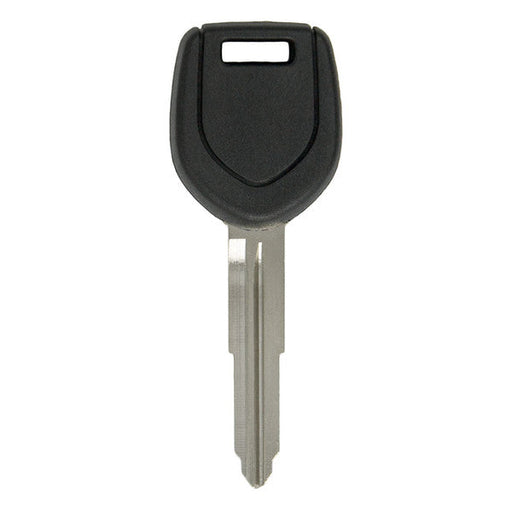
MIT-EC-PT Transponder KeyAftermarket ReplacementChip: 47Test Key: MIT3Lishi: MIT11Replaces PN: Note: Mitsubishi Eclipse Cross Transponder KeyLEARN ...
View Full Details
Original price
$15.99
-
Original price
$15.99
Original price
$15.99
$15.99
-
$15.99
Current price
$15.99
Original price
$0.00
-
Original price
$0.00
Original price
$0.00
$5.99
$5.99
-
$5.99
Current price
$5.99
K-MIT8-PT
In Stock
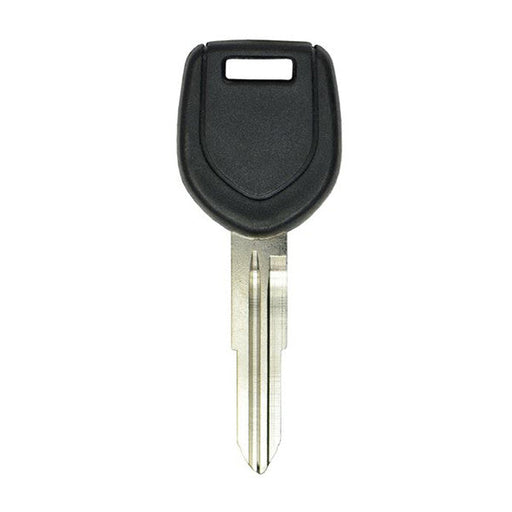
MIT8-PT Transponder KeyAftermarket ReplacementChip: 4D60Test Key: MIT8Lishi: MIT8Replaces PN: Note:LEARN MORE → ALL ABOUT PALADIN PREMIUM AFTERMARK...
View Full Details
Original price
$0.00
-
Original price
$0.00
Original price
$0.00
$5.99
$5.99
-
$5.99
Current price
$5.99
Shop Mitsubishi transponder keys for professional automotive key replacement at Noble Key Supply. This collection includes Paladin premium aftermarket keys with multiple mechanical blade profiles and application-specific transponder chips.
Available chip configurations include ID46, ID47, 4D60, and 4D61. Because Mitsubishi keys with similar molded heads may contain different transponders or blade profiles, verify the vehicle, chip, keyway, and programming requirements before ordering.
What Is a Mitsubishi Transponder Key?
A transponder key contains a small electronic chip inside its molded head. When the key is placed in the ignition, the vehicle’s immobilizer attempts to identify the transponder.
If the chip has been properly programmed and its data is accepted, the immobilizer authorizes the vehicle to start. If the transponder is missing, incompatible, or not programmed, the mechanical blade may turn while the engine remains immobilized.
A complete replacement requires both:
- The correct mechanical blade
- The correct transponder chip
Neither part should be selected by visual appearance alone.
Paladin Premium Aftermarket Mitsubishi Keys
The Mitsubishi transponder keys in this collection are Paladin premium aftermarket replacements. They are designed to provide professional locksmiths with dependable alternatives for compatible vehicle applications.
Paladin transponder keys are quality tested for consistent construction and reliable professional use. Each product should still be inspected before cutting to confirm that the blade and chip match the intended vehicle.
Available Paladin product families include:
- MIT8-PT
- MIT9-PT
- MIT12-PT
- MIT13-PT
- MIT14-PT
- MIT16A-PT
- MIT-EC-PT
These product numbers represent different chip and mechanical key configurations. They are not interchangeable.
Mitsubishi ID46 Transponder Keys
The MIT16A-PT is an aftermarket Mitsubishi transponder key containing an ID46 chip. ID46 belongs to the Philips Crypto transponder family and is used in select immobilizer applications.
The key may be cross-referenced with identifiers such as:
- MIT6-CAN
- MIT16-PT
- MIT16-PHT
- TP12MIT18P
Cross-reference numbers are useful for narrowing the application, but the vehicle model, production year, and immobilizer system must still be verified.
A programmer that supports one ID46 vehicle does not necessarily support every Mitsubishi application using that chip family.
Mitsubishi ID47 Transponder Keys
The MIT-EC-PT is an aftermarket transponder key for supported Mitsubishi Eclipse Cross applications. It contains an ID47 transponder and uses an application-specific mechanical blade.
ID47 is electronically different from ID46, 4D60, and 4D61. A key with another chip cannot be substituted simply because the blade appears similar.
Before using an ID47 key, confirm:
- Mitsubishi Eclipse Cross model year
- Immobilizer system
- Blade profile
- Programmer support
- Add-key or all-keys-lost condition
- Required security access
Review current programming-tool coverage before cutting the key.
Mitsubishi 4D60 Transponder Keys
The collection includes MIT8-PT and MIT9-PT keys containing 4D60 transponders. These keys use different mechanical profiles despite sharing the same chip family.
The MIT8-PT uses an MIT8 test-key reference, while the MIT9-PT uses an MIT6 reference. This difference is important because a compatible chip cannot compensate for an incorrect blade.
Confirm both the 4D60 chip and the correct keyway before ordering.
Mitsubishi 4D61 Transponder Keys
Several keys in the collection use 4D61 transponders, including:
- MIT12-PT
- MIT13-PT
- MIT14-PT
These products have different blade profiles and replacement references.
The MIT12-PT is associated with an MIT8 test-key reference. The MIT13-PT uses an MIT6 reference, while the MIT14-PT uses an MIT3 reference.
A 4D61 designation confirms the transponder family, but it does not establish mechanical compatibility. Match the complete key configuration to the vehicle.
MIT12 Transponder Keys
The MIT12-PT is a Paladin aftermarket Mitsubishi key with a 4D61 chip and an MIT8 mechanical test-key reference.
Replacement and cross-reference numbers may include:
- 5907793
- MIT-12PHT
- TP26MIT12P
- MR587315
Use these numbers with the vehicle application and chip type. Similar part names do not guarantee that the blade or immobilizer configuration is identical.
MIT13 Transponder Keys
The MIT13-PT contains a 4D61 transponder and uses an MIT6 mechanical reference.
Associated replacement numbers may include:
- 692564
- BMIT13-PT
- MIT13-PHT
- TP26MIT18P
Verify the entire product number and vehicle application before cutting. MIT13 and MIT16-style keys may use a related mechanical profile while containing different transponder systems.
MIT14 Transponder Keys
The MIT14-PT combines a 4D61 transponder with an MIT3 mechanical reference.
Cross-reference numbers may include:
- MITS-EVO-KEY
- MITS14-PT
- TP26-MIT-8DP
- MR587430
A cross-reference containing a vehicle description should still be confirmed against the exact model year and immobilizer system.
MIT16A Transponder Keys
The MIT16A-PT contains an ID46 transponder rather than a 4D61 chip. It may share an MIT6 test-key reference with other Mitsubishi key products, but the electronic configuration is different.
This is a clear example of why blade profile alone cannot confirm a compatible transponder key. Always identify the chip before cutting or programming.
MIT8 and MIT9 Transponder Keys
The MIT8-PT and MIT9-PT both contain 4D60 transponders, but their blade references differ.
The MIT8-PT is associated with:
- 4D60 chip
- MIT8 test-key reference
- MIT8 Lishi or keyway reference
The MIT9-PT is associated with:
- 4D60 chip
- MIT6 test-key reference
- MIT6 Lishi or keyway reference
Select the key using confirmed application data rather than choosing either 4D60 option at random.
Blade Profiles and Test-Key References
The test-key reference in a listing helps identify the mechanical profile used to check the vehicle’s lock. References represented in this collection include:
- MIT3
- MIT6
- MIT8
A test key typically confirms mechanical entry and rotation but does not include the transponder required to start an immobilizer-equipped vehicle.
The test-key designation should be used with:
- Vehicle application
- Transponder type
- Product number
- Keyway
- Manufacturer part number
- Programming coverage
Two transponder keys can share a test-key reference while using different chips.
Mitsubishi Keyway and Lishi References
Product listings may also identify a compatible Lishi or decoder reference, including:
- MIT6
- MIT8
- MIT9
- MIT11
These references can help a professional locksmith identify the lock system or select a compatible decoding tool. They do not replace complete vehicle application data.
A Lishi reference may differ from the transponder-key product number or test-key identifier, so review each specification separately.
Transponder Key Versus Remote Key
A Mitsubishi transponder key is a basic starting key with an embedded immobilizer chip. It generally does not include remote-control buttons.
A remote key combines the transponder with buttons for functions such as:
- Lock
- Unlock
- Trunk or hatch release
- Panic alarm
A proximity key supports a keyless-start system and may remain in the driver’s pocket or bag.
Before ordering, determine whether the customer needs:
- A basic transponder key
- A remote head key
- A remote flip key
- A complete proximity key
- A standalone remote
- An emergency insert blade
A basic transponder key may start a compatible vehicle without reproducing the remote functions of the original key.
Match the Chip and Blade
Mitsubishi transponder keys should be selected using both mechanical and electronic information.
For example:
- MIT13-PT and MIT16A-PT may use an MIT6 mechanical reference
- MIT13-PT contains a 4D61 chip
- MIT16A-PT contains an ID46 chip
The keys may operate a similar lock profile while communicating with different immobilizer systems. Installing the wrong chip can result in a key that turns but will not start the vehicle.
Alternative and Replacement Part Numbers
Replacement-key products are often listed under several industry identifiers. These can include original-equipment references, distributor numbers, aftermarket names, and transponder-key catalog numbers.
When comparing part numbers:
- Match the complete identifier
- Confirm the chip type
- Verify the blade profile
- Check the vehicle model and year
- Review superseded numbers
- Confirm programming-tool support
Do not assume that all numbers within the same MIT product family are equivalent.
Cutting Mitsubishi Transponder Keys
The mechanical blade must be cut before the key can operate the vehicle’s door and ignition locks. A professional locksmith may originate the key from code, duplicate a reliable existing key, or decode the appropriate lock.
Before cutting, verify:
- Key profile
- Test-key reference
- Required cutting machine
- Jaw or clamp
- Tip or shoulder alignment
- Cutting-card selection
- Source-key condition
- Blade orientation
If the original key is heavily worn, copying its damaged cuts can produce poor results. Origination from code or decoded lock data may provide a more accurate replacement.
Programming Mitsubishi Transponder Keys
After cutting, the chip must be programmed to the vehicle’s immobilizer system. The procedure depends on the Mitsubishi model, year, chip type, and available working keys.
Professional programming may include:
- Identifying the immobilizer system
- Confirming the transponder
- Preparing the chip when required
- Establishing stable vehicle voltage
- Accessing the immobilizer
- Learning the new key
- Confirming the stored-key count
- Testing vehicle starting
Programming a key does not add remote functions to a basic transponder key.
Add-Key and All-Keys-Lost Situations
Programming requirements can change significantly when no working key is available.
An add-key procedure may use an existing authorized key or a simpler immobilizer-learning process. An all-keys-lost procedure may require additional security access, a PIN or password calculation, module data, or advanced programming equipment.
Before cutting the key, confirm that your equipment supports:
- Vehicle model and year
- Required chip
- Add-key programming
- All-keys-lost programming
- PIN or security access
- Key erasure when necessary
- Required cables and adapters
Support for adding a key does not automatically mean the same tool supports all-keys-lost programming.
Inspect the Key Before Cutting
A cut transponder key generally cannot be returned to unused inventory. Inspect every key first.
Confirm that:
- The correct Paladin part number was received
- The blade matches the vehicle
- The blade is straight and undamaged
- The molded head is secure
- The listed chip is present
- The transponder reads correctly
- The programmer supports the application
- The customer’s vehicle information is accurate
Completing these checks helps prevent wasted blanks and failed programming attempts.
How to Choose the Correct Mitsubishi Transponder Key
Before ordering, verify:
- Vehicle year, make, and model
- Original key style
- Mechanical blade profile
- Test-key reference
- Transponder-chip type
- Paladin product number
- OEM or replacement part number
- Lishi or keyway reference
- Immobilizer generation
- Programming-tool compatibility
- Add-key or all-keys-lost condition
- Whether remote functions are required
Using multiple identifiers is more reliable than selecting a key based on its housing.
Shop Mitsubishi Transponder Keys at Noble Key Supply
Browse Paladin premium aftermarket transponder keys for compatible Mitsubishi vehicles at Noble Key Supply. Choose from multiple blade profiles with ID46, ID47, 4D60, and 4D61 transponder options.
Compare the chip, keyway, test-key reference, replacement part number, vehicle application, and programming requirements to find the correct key for each professional locksmith job.