
Standard Lishi Tools for Residential & Commercial Doors
Shop Original Lishi 2-in-1 tools for residential and commercial door locks at Noble Key Supply. In this collection, “standard” refers to tools designed for non-automotive locks commonly installed on homes, offices, retail properties, apartment buildings, institutional facilities, and other structures.
Available applications include popular Schlage, Kwikset, BEST, Sargent, and additional door-lock keyways. The collection also includes reversed-reading tools, replacement components, and protective cases for organizing professional locksmith equipment.
Each Standard Lishi tool is designed for a specific keyway and pin configuration. Confirm the lock manufacturer, keyway, number of pins, cylinder orientation, and tool model before ordering.
What Is a Standard Lishi Tool?
A Standard Lishi tool is a keyway-specific pick and decoder for compatible residential or commercial mechanical locks. It combines two professional locksmith functions in one precision instrument.
A compatible 2-in-1 tool can assist a trained locksmith with:
- Manipulating a supported lock during authorized service
- Reading the individual pin positions
- Decoding the cylinder’s pinning
- Originating a replacement key
- Diagnosing a cylinder with no working key
- Supporting rekeying and lock-maintenance work
Standard Lishi tools are distinct from automotive Lishi products. They are designed for residential and commercial door cylinders rather than vehicle door or ignition locks.
Standard Lishi Tools Are Not Automotive Tools
The word “standard” describes common non-automotive lock applications. These tools are intended primarily for mechanical door locks found in buildings.
Typical applications may include:
- Residential entry doors
- Residential deadbolts
- Apartment doors
- Office doors
- Commercial storefront doors
- Interior commercial doors
- Institutional door hardware
- Lever-lock cylinders
- Interchangeable-core systems
- Other supported building locks
An automotive Lishi tool is selected according to a vehicle keyway and wafer system. A Standard Lishi tool is selected according to a residential or commercial keyway and pin-tumbler configuration.
Original Lishi 2-in-1 Picks and Decoders
Original Lishi tools are engineered for specific keyways and contain calibrated markings for their intended lock systems. Their application-specific design allows trained users to work with the individual positions inside a compatible cylinder.
Depending on the model, features may include:
- Integrated picking and decoding
- Keyway-specific profile
- Five-, six-, or seven-pin configuration
- Standard or reversed reading pane
- Anti-glare finish
- Depth and position markings
- Residential or commercial cylinder compatibility
- Left- or right-oriented operation
Because the tools are precisely matched to the lock, similar-looking keyways should not be treated as interchangeable.
Schlage SC1 Lishi Tools
SC1 is one of the most common residential and light-commercial keyways. It is generally associated with a five-pin Schlage C-keyway configuration.
An Original Lishi SC1 tool may be used with compatible:
- Entry knobs
- Lever locks
- Deadbolts
- Residential cylinders
- Light-commercial door hardware
- Other locks using the correct SC1 configuration
Confirm that the cylinder actually uses the SC1 keyway. Other Schlage profiles may appear similar but require a different tool.
Schlage SC4 Lishi Tools
SC4 is associated with a six-pin version of the Schlage C keyway. Although SC1 and SC4 are related profiles, their key lengths and pin counts differ.
An SC4 tool is intended for supported six-pin cylinders commonly found in commercial and higher-security building applications. It should not be substituted with an SC1 tool.
Verify:
- SC4 keyway
- Six-pin configuration
- Cylinder type
- Door orientation
- Standard or reversed-reading requirement
Schlage SC20 and L-Keyway Tools
SC20 tools support compatible Schlage L-keyway applications. These systems may be found in commercial, institutional, and other professional door-hardware environments.
A Schlage L keyway differs from the common C keyway used by SC1 and SC4 products. Confirm the existing blank, cylinder identification, and keyway family before choosing an SC20 tool.
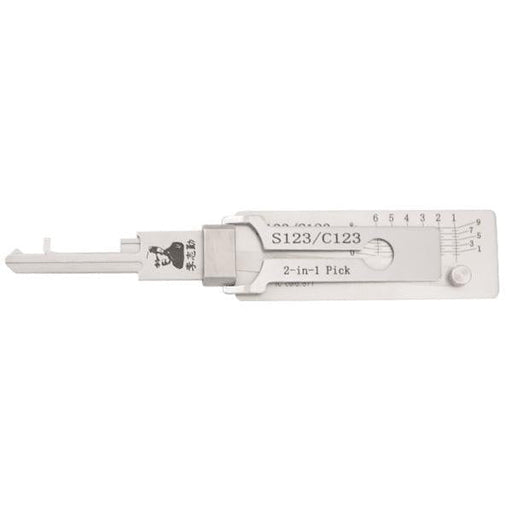
Schlage SC123 Tools
The collection may include Original Lishi products for compatible Schlage SC123 applications. These tools are intended for their specified restricted or specialized keyway configuration.
Do not assume that a tool intended for SC1 or SC4 can be used with SC123. The warding, pin configuration, and tool profile must match the cylinder.
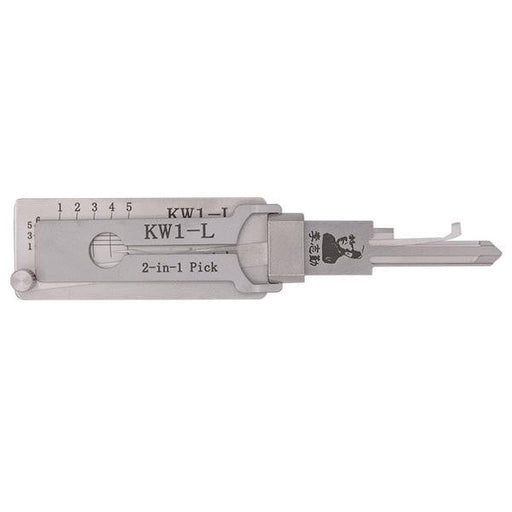
Kwikset KW1 Lishi Tools
KW1 is a widely used residential keyway found in many compatible Kwikset knobs, levers, deadbolts, and entry locks.
An Original Lishi KW1 tool is designed around the corresponding five-pin key profile and spacing. It may be a practical addition for locksmiths who regularly service homes, rental properties, and multifamily buildings.
Not every Kwikset lock uses KW1. Confirm the keyway and cylinder before inserting the tool.
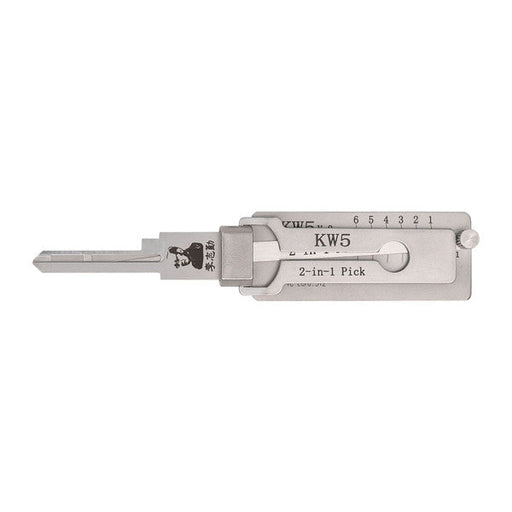
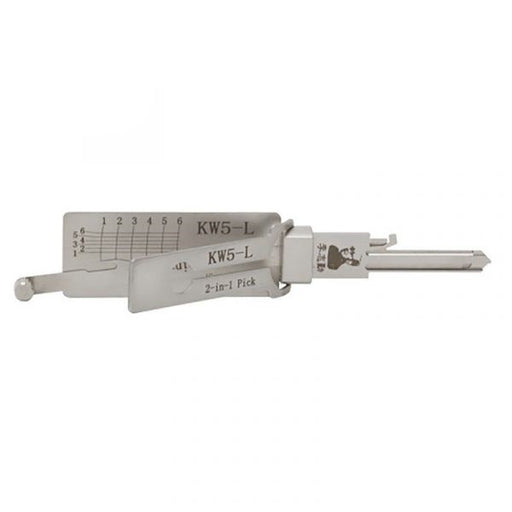
Kwikset KW5 Lishi Tools
KW5 is generally associated with a six-pin Kwikset-style keyway. It is longer than the familiar five-pin KW1 configuration and requires the corresponding tool.
KW5 applications may be found in certain residential and commercial door systems. Verify the number of pins and key-blank reference rather than choosing by manufacturer alone.
Standard and Reversed-Reading Tools
Door orientation and cylinder placement can affect how the tool’s scale appears to the technician. Certain locks installed in right-hand-hinged doors or horizontal lever cylinders can place the reading pane in a less convenient position.
Reversed-reading versions are available for select keyways, including:
- SC1-L
- SC4-L
- KW1-L
- KW5-L
These tools use a reversed reading pane for supported orientations. Select the standard or reversed version according to the door, cylinder, and preferred working position.
Left-Hand and Right-Hand Door Applications
Door handing describes the direction in which a door swings and the side on which its hinges are located. It can affect cylinder orientation, particularly in lever hardware with horizontal lock cylinders.
Before choosing a standard or reversed-reading tool, consider:
- Which side contains the hinges
- Whether the door swings inward or outward
- The cylinder’s installed orientation
- Whether the keyway is vertical or horizontal
- The position from which the locksmith will service the lock
A reversed-reading tool does not change the keyway. It changes how the markings are presented for supported installation orientations.
BEST A-Keyway Lishi Tools
BEST interchangeable-core systems are widely used in commercial, institutional, educational, and government facilities. The collection includes tools for compatible BEST A-keyway applications.
Available versions may include:
- BE2-6 for supported six-pin cylinders
- BE2-7 for supported seven-pin cylinders
Pin count is critical. A six-pin tool should not be used as a substitute for a seven-pin version.
Interchangeable-core systems may also involve control keys, master-key systems, and facility-specific authorization. Confirm the cylinder format and keyway before service.
Sargent LA-Keyway Tools
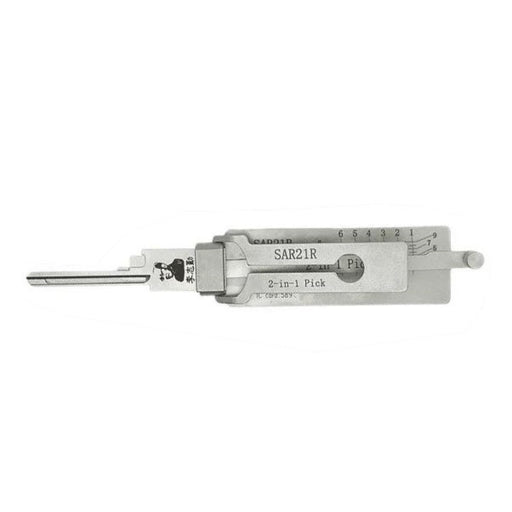
Sargent locks are commonly found in commercial and institutional buildings. The collection includes Original Lishi tools for select Sargent LA-keyway applications, including references such as SAR21R.
Verify the keyway, number of positions, cylinder orientation, and exact tool model. Sargent manufactures several keyway families, so brand recognition alone is not enough.
Residential Door-Lock Applications
Residential locksmiths commonly encounter deadbolts, entry knobs, handlesets, and lever locks using Schlage or Kwikset keyways.
Standard Lishi tools can support authorized service when:
- A homeowner has lost the key
- A tenant has been locked out
- A working key is unavailable
- A cylinder must be decoded
- A replacement key must be originated
- A lock requires diagnosis before rekeying
- Property-management authorization has been provided
The tool must match the installed cylinder, including any aftermarket or replacement hardware.
Commercial Door-Lock Applications
Commercial buildings may use a broader range of keyways, pin counts, cylinder formats, and master-key systems. Supported applications may include conventional cylinders, lever locks, mortise cylinders, rim cylinders, and interchangeable cores.
Commercial locksmiths should verify:
- Lock manufacturer
- Exact keyway
- Cylinder type
- Pin count
- Door handing
- Master-key system requirements
- Restricted-keyway policies
- Facility authorization
A successful mechanical decode does not replace the need to follow the property’s key-control procedures.
Standard Lishi Tools for Rekeying Work
A compatible Lishi tool can help a trained locksmith determine the operating depths of a cylinder when no usable key is available. This information may support the creation of a working key before the lock is rekeyed.
Rekeying changes the pinning so the old key no longer operates the cylinder. Depending on the service objective, the locksmith may:
- Originate a key for the existing combination
- Rekey the cylinder to a new key
- Match the lock to another authorized building key
- Replace worn pins or springs
- Inspect the cylinder for mechanical damage
Standard Lishi tools complement pinning kits, followers, shims, tweezers, and other bench tools used during professional lock service.
Five-, Six-, and Seven-Pin Locks
Pin count is an essential compatibility factor. Standard door cylinders may contain five, six, or seven pin positions, depending on the manufacturer and system.
Examples include:
- SC1 for many five-pin Schlage C-keyway locks
- SC4 for many six-pin Schlage C-keyway locks
- KW1 for many five-pin Kwikset locks
- KW5 for supported six-pin Kwikset-style locks
- BEST A-keyway tools in six- and seven-pin versions
The correct keyway with the wrong pin count is still the wrong tool. Verify both details before ordering.
Anti-Glare Finish
Many Original Lishi products feature an anti-glare finish. This treatment can make the calibrated markings easier to see under bright service lighting or direct sunlight.
Clear markings are especially helpful when reading individual pin positions and depths. Keep the face of the tool clean and avoid abrasive products that could damage the finish.
Replacement Lishi Tips
Replacement tips may be available for select Standard Lishi tools, including KW1 applications. A replacement tip can restore a compatible tool when the original working component is worn or damaged.
Before ordering a replacement component, verify:
- Exact Lishi model
- Tool generation
- Tip compatibility
- Condition of the remaining tool
- Whether recalibration or inspection is necessary
A bent or damaged tool body may require complete replacement rather than a new tip.
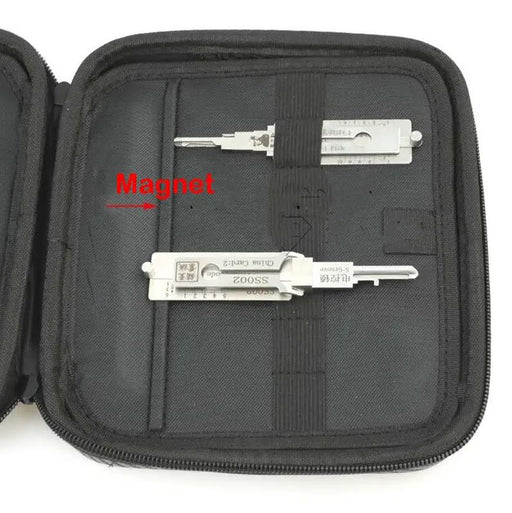
Magnetic Lishi Cases
Precision picks and decoders should be protected during storage and transportation. The collection includes magnetic cases in several sizes for organizing Standard Lishi tools.
Available options may include:
- Small cases holding several tools
- Medium cases holding more than a dozen tools
- Large cases using magnets and retaining straps
- Bench or mobile-service storage solutions
Cases are generally sold without the tools shown in product images. Check the listing for capacity and included components.
Organizing Standard Lishi Tools
Organizing tools by keyway and pin count can help locksmiths identify the correct product quickly. A professional setup might separate tools into groups such as:
- Schlage keyways
- Kwikset keyways
- Commercial keyways
- Interchangeable-core tools
- Standard reading tools
- Reversed-reading tools
- Replacement components
Clear labeling also reduces the chance of inserting a similar but incompatible tool into a cylinder.
How to Choose the Correct Standard Lishi Tool
Before ordering, verify:
- Residential or commercial door application
- Lock manufacturer
- Exact keyway
- Key-blank reference
- Number of pins
- Cylinder type
- Door handing
- Vertical or horizontal cylinder orientation
- Standard or reversed-reading preference
- Tool model number
- Original or replacement lock status
- Restricted or master-key-system requirements
Whenever possible, compare an existing key with a confirmed blank or identify the cylinder through reliable manufacturer information.
Caring for Standard Lishi Tools
Standard Lishi tools contain precision components that require appropriate handling.
Recommended care includes:
- Keeping each tool clean and dry
- Storing tools in a protective case
- Avoiding excessive bending or twisting
- Inspecting tips before use
- Protecting calibrated markings
- Removing tools from service when damaged
- Keeping tools separated by keyway
- Avoiding forced insertion into a cylinder
Resistance may indicate an incorrect keyway, damaged lock, debris, or incompatible tool.
Professional and Authorized Use
Standard Lishi tools should only be used on residential and commercial doors that you own or are legally authorized to service. Locksmiths should confirm the customer’s identity and authority before working on a home, office, rental unit, or managed property.
Possession, licensing, and use requirements vary by location. Users are responsible for following applicable laws, professional standards, facility policies, and key-control procedures.
Shop Standard Lishi Tools at Noble Key Supply
Browse Original Lishi tools for residential and commercial door locks, including supported Schlage, Kwikset, BEST, Sargent, and additional keyways. Noble Key Supply also carries reversed-reading tools, replacement components, and magnetic storage cases.
Compare the keyway, pin count, cylinder orientation, and tool model to select the correct Standard Lishi pick and decoder for your professional locksmith kit.

Original price
$75.00
-
Original price
$75.00
Original price
$75.00
$75.00
-
$75.00
Current price
$75.00
LISHI-M1
In Stock
Original Lishi 2 in 1 Pick for Master Lock Padlocks That Use M1 / MS2 Key Blanks Anti-glare finish
Original price
$75.00
-
Original price
$75.00
Original price
$75.00
$75.00
-
$75.00
Current price
$75.00

Original price
$0.00
-
Original price
$0.00
Original price
$0.00
$75.00
$75.00
-
$75.00
Current price
$75.00
LISHI-SC1
In Stock
Original Lishi 2-in-1 Tool SC1 for Schlage LocksAnti-glare finish
Original price
$0.00
-
Original price
$0.00
Original price
$0.00
$75.00
$75.00
-
$75.00
Current price
$75.00
Original price
$0.00
-
Original price
$0.00
Original price
$0.00
$23.99
$23.99
-
$23.99
Current price
$23.99
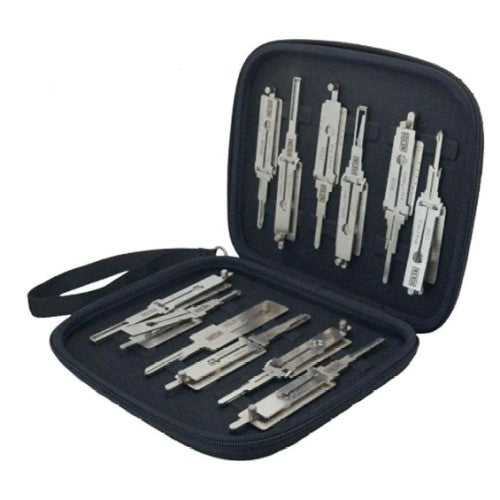
Magnetic Lishi Case
In Stock
Holds over 12 Lishi Tools with powerful magnets. Great for easy access and secure storage. (case only, Lishi tools not included)
Original price
$0.00
-
Original price
$0.00
Original price
$0.00
$23.99
$23.99
-
$23.99
Current price
$23.99
Original price
$0.00
-
Original price
$0.00
Original price
$0.00
$75.00
$75.00
-
$75.00
Current price
$75.00
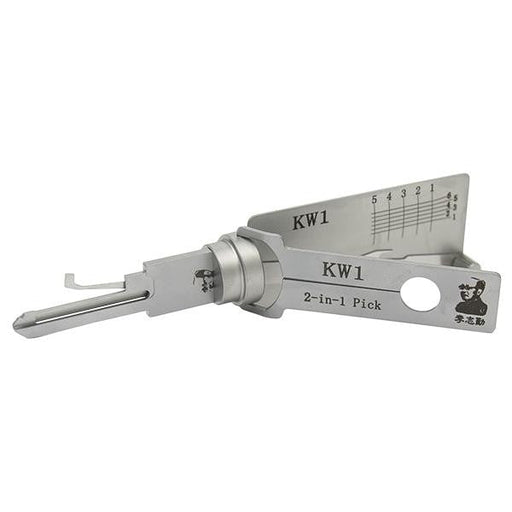
LISHI-KW1
In Stock
Original Lishi 2-in-1 Tool Kwikset KW1 SeriesAnti-glare finish
Original price
$0.00
-
Original price
$0.00
Original price
$0.00
$75.00
$75.00
-
$75.00
Current price
$75.00
Original price
$75.00
-
Original price
$75.00
Original price
$75.00
$75.00
-
$75.00
Current price
$75.00
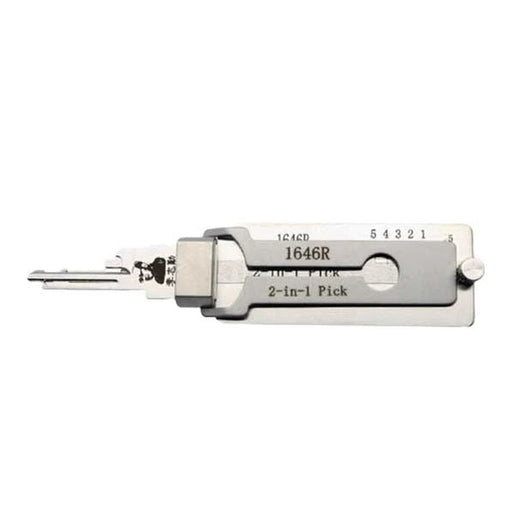
LISHI-1646R
In Stock
Original Lishi 2 in 1 Pick For National CompX Mailbox Locks 1646R Anti-glare finish
Original price
$75.00
-
Original price
$75.00
Original price
$75.00
$75.00
-
$75.00
Current price
$75.00
Original price
$75.00
-
Original price
$75.00
Original price
$75.00
$75.00
-
$75.00
Current price
$75.00
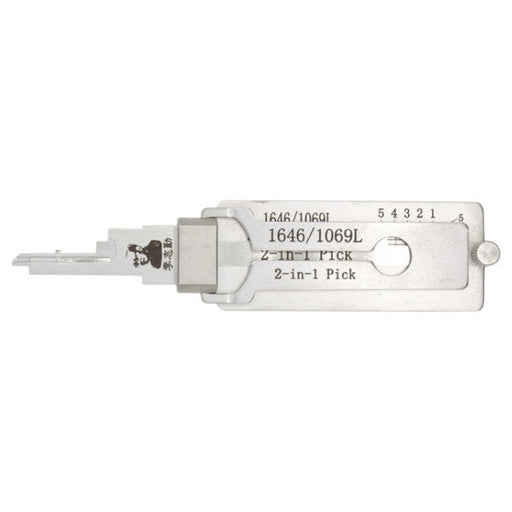
LISHI-1646
In Stock
Original Lishi 2 in 1 Pick for National CompX Mailbox Locks C9200 / C8700 / 1646 / 1069LAnti-glare finish
Original price
$75.00
-
Original price
$75.00
Original price
$75.00
$75.00
-
$75.00
Current price
$75.00

Original price
$0.00
-
Original price
$0.00
Original price
$0.00
$75.00
$75.00
-
$75.00
Current price
$75.00
LISHI-SC4
In Stock
Original Lishi 2-in-1 Tool SC4 for Schlage LocksAnti-glare finish
Original price
$0.00
-
Original price
$0.00
Original price
$0.00
$75.00
$75.00
-
$75.00
Current price
$75.00

Original price
$0.00
-
Original price
$0.00
Original price
$0.00
$75.00
$75.00
-
$75.00
Current price
$75.00
LISHI-SC20
In Stock
Original Lishi 2-in-1 Residential Pick SC20 Schlage L KeywayAnti-glare finish
Original price
$0.00
-
Original price
$0.00
Original price
$0.00
$75.00
$75.00
-
$75.00
Current price
$75.00

Original price
$75.00
-
Original price
$75.00
Original price
$75.00
$75.00
-
$75.00
Current price
$75.00
LISHI-AM5
In Stock
Original Lishi 2 in 1 Pick for American Lock Padlocks AM5 Anti-glare finish
Original price
$75.00
-
Original price
$75.00
Original price
$75.00
$75.00
-
$75.00
Current price
$75.00

Original price
$75.00
-
Original price
$75.00
Original price
$75.00
$75.00
-
$75.00
Current price
$75.00
LISHI-BE2-7
In Stock
Original Lishi 2-in-1 Residential Tool BE2 For BEST A Keyway 7-Pin Anti-glare finish
Original price
$75.00
-
Original price
$75.00
Original price
$75.00
$75.00
-
$75.00
Current price
$75.00

Original price
$0.00
-
Original price
$0.00
Original price
$0.00
$75.00
$75.00
-
$75.00
Current price
$75.00
LISHI-SC1-L
In Stock
strong>Original Lishi SC1-L 2-in-1 Pick For Left-Hand Door Schlage LocksAnti-glare finish
Original price
$0.00
-
Original price
$0.00
Original price
$0.00
$75.00
$75.00
-
$75.00
Current price
$75.00
Original price
$0.00
-
Original price
$0.00
Original price
$0.00
$75.00
$75.00
-
$75.00
Current price
$75.00
LISHI-KW5
In Stock
Original Lishi 2-in-1 Tool Kwikset KW5 SeriesAnti-glare finish
Original price
$0.00
-
Original price
$0.00
Original price
$0.00
$75.00
$75.00
-
$75.00
Current price
$75.00
Original price
$0.00
-
Original price
$0.00
Original price
$0.00
$75.00
$75.00
-
$75.00
Current price
$75.00
LISHI-KW1-L
In Stock
Original Lishi 2-in-1 Pick For KW1 With Reversed Reading Pane For Right Hand Hinged Doors And Lever Locks With Horizontal Lock CylindersAnti-glare ...
View Full Details
Original price
$0.00
-
Original price
$0.00
Original price
$0.00
$75.00
$75.00
-
$75.00
Current price
$75.00
Original price
$0.00
-
Original price
$0.00
Original price
$0.00
$18.99
$18.99
-
$18.99
Current price
$18.99
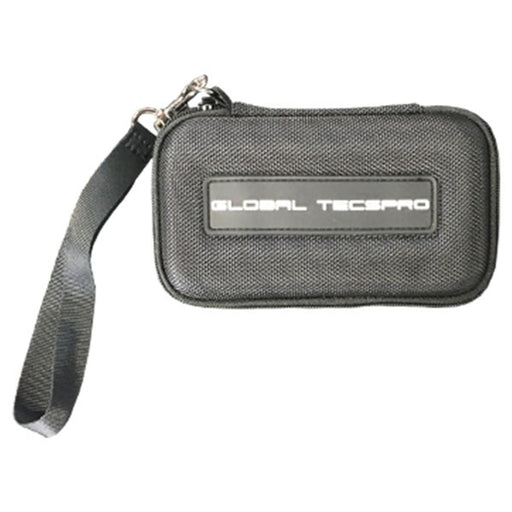
Small Magnetic Lishi Case
In Stock
Holds over 6 Lishi Tools with powerful magnets. Great for easy access and secure storage. (case only, Lishi tools not included)
Original price
$0.00
-
Original price
$0.00
Original price
$0.00
$18.99
$18.99
-
$18.99
Current price
$18.99
Original price
$0.00
-
Original price
$0.00
Original price
$0.00
$35.99
$35.99
-
$35.99
Current price
$35.99
Large Magnetic Lishi Case
Low stock
Holds over 28 Lishi Tools with straps and magnets. Great for easy access and secure storage. (case only, Lishi tools not included)
Original price
$0.00
-
Original price
$0.00
Original price
$0.00
$35.99
$35.99
-
$35.99
Current price
$35.99

Original price
$75.00
-
Original price
$75.00
Original price
$75.00
$75.00
-
$75.00
Current price
$75.00
LISHI-BE2-6
In Stock
Original Lishi 2-in-1 Residential Tool BE2 For BEST A Keyway 6-Pin Anti-glare finish
Original price
$75.00
-
Original price
$75.00
Original price
$75.00
$75.00
-
$75.00
Current price
$75.00
Original price
$0.00
-
Original price
$0.00
Original price
$0.00
$75.00
$75.00
-
$75.00
Current price
$75.00
LISHI-SAR21R
In Stock
Original Lishi SAR21R 2 in 1 Pick for Sargent LA KeywayAnti-glare finish
Original price
$0.00
-
Original price
$0.00
Original price
$0.00
$75.00
$75.00
-
$75.00
Current price
$75.00

Original price
$0.00
-
Original price
$0.00
Original price
$0.00
$75.00
$75.00
-
$75.00
Current price
$75.00
LISHI-SC4-L
In Stock
Original Lishi 2-in-1 Pick For SC4 With Reversed Reading Pane For Right Hand Hinged Doors And Lever Locks With Horizontal Lock CylindersAnti-glare ...
View Full Details
Original price
$0.00
-
Original price
$0.00
Original price
$0.00
$75.00
$75.00
-
$75.00
Current price
$75.00

Original price
$0.00
-
Original price
$0.00
Original price
$0.00
$12.00
$12.00
-
$12.00
Current price
$12.00
LISHI-KW1 Replacement Tip
In Stock
Replacement tip for KW1 Lishi tool Anti-glare finish
Original price
$0.00
-
Original price
$0.00
Original price
$0.00
$12.00
$12.00
-
$12.00
Current price
$12.00
Original price
$0.00
-
Original price
$0.00
Original price
$0.00
$75.00
$75.00
-
$75.00
Current price
$75.00
LISHI-SC123
In Stock
Original Lishi 2 in 1 Pick for Schlage C123 / S123 / C145 LocksAnti-glare finish
Original price
$0.00
-
Original price
$0.00
Original price
$0.00
$75.00
$75.00
-
$75.00
Current price
$75.00
Original price
$0.00
-
Original price
$0.00
Original price
$0.00
$75.00
$75.00
-
$75.00
Current price
$75.00
LISHI-KW5-L
In Stock
Original Lishi 2-in-1 Pick For KW5 (6-Pin KW) With Reversed Reading Pane For Right Hand Hinged Doors And Lever Locks With Horizontal Lock Cylinders...
View Full Details
Original price
$0.00
-
Original price
$0.00
Original price
$0.00
$75.00
$75.00
-
$75.00
Current price
$75.00

Original price
$0.00
-
Original price
$0.00
Original price
$0.00
$12.00
$12.00
-
$12.00
Current price
$12.00
LISHI-M1/MS2 Replacement Tip
In Stock
Replacement tip for M1/MS2 Lishi tool Anti-glare finish
Original price
$0.00
-
Original price
$0.00
Original price
$0.00
$12.00
$12.00
-
$12.00
Current price
$12.00

Original price
$0.00
-
Original price
$0.00
Original price
$0.00
$75.00
$75.00
-
$75.00
Current price
$75.00
LISHI-M18/1092-40
In Stock
Original Lishi M18 (For Master Locks) 2-In-1 Pick. This tool can pick and decode all Master locks that utilize the Ilco M18 keyway. The M18 2-In-1 ...
View Full Details
Original price
$0.00
-
Original price
$0.00
Original price
$0.00
$75.00
$75.00
-
$75.00
Current price
$75.00

Original price
$0.00
-
Original price
$0.00
Original price
$0.00
$89.99
$89.99
-
$89.99
Current price
$89.99
Original Lishi Hard Shell Case for 100 Tools
Low stock
This Hard Shell case is perfect for protecting your expensive Lishi collection while staying organized. Labeled slots help to quickly locate a spec...
View Full Details
Original price
$0.00
-
Original price
$0.00
Original price
$0.00
$89.99
$89.99
-
$89.99
Current price
$89.99

Original price
$0.00
-
Original price
$0.00
Original price
$0.00
$75.00
$75.00
-
$75.00
Current price
$75.00
LISHI-M4/MS4R
In Stock
Original Lishi M4 (For Master Locks) 2-In-1 Pick. This tool can pick and decode all Master locks that utilize the Ilco M4 keyway. The M4 2-In-1 Pic...
View Full Details
Original price
$0.00
-
Original price
$0.00
Original price
$0.00
$75.00
$75.00
-
$75.00
Current price
$75.00

Original price
$0.00
-
Original price
$0.00
Original price
$0.00
$12.00
$12.00
-
$12.00
Current price
$12.00
LISHI-KW5 Replacement Tip
In Stock
Replacement tip for KW5 Lishi tool Anti-glare finish
Original price
$0.00
-
Original price
$0.00
Original price
$0.00
$12.00
$12.00
-
$12.00
Current price
$12.00
Original price
$0.00
-
Original price
$0.00
Original price
$0.00
$75.00
$75.00
-
$75.00
Current price
$75.00
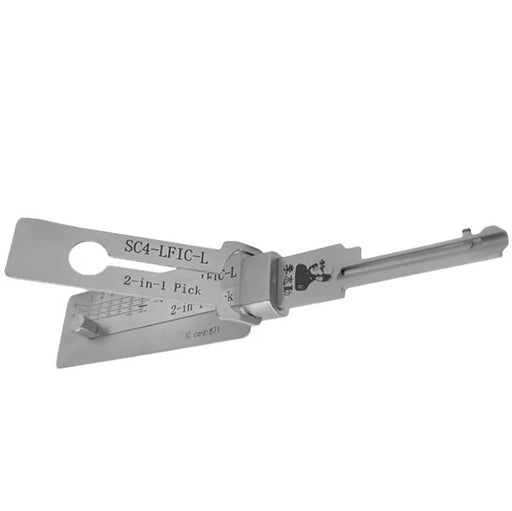
LISHI-SC4-LFIC-L
In Stock
Original Lishi 2-in-1 Pick For SC4 LFIC With Reversed Reading Pane For Right Hand Hinged Doors And Lever Locks With Horizontal Lock CylindersAnti-g...
View Full Details
Original price
$0.00
-
Original price
$0.00
Original price
$0.00
$75.00
$75.00
-
$75.00
Current price
$75.00

Original price
$0.00
-
Original price
$0.00
Original price
$0.00
$12.00
$12.00
-
$12.00
Current price
$12.00
LISHI-KW1-L Replacement Tip
Low stock
Replacement tip for KW1-L Lishi tool Anti-glare finish
Original price
$0.00
-
Original price
$0.00
Original price
$0.00
$12.00
$12.00
-
$12.00
Current price
$12.00

Original price
$0.00
-
Original price
$0.00
Original price
$0.00
$12.00
$12.00
-
$12.00
Current price
$12.00
LISHI-SC1 Replacement Tip
In Stock
Replacement tip for SC1 Lishi tool Anti-glare finish
Original price
$0.00
-
Original price
$0.00
Original price
$0.00
$12.00
$12.00
-
$12.00
Current price
$12.00

Original price
$0.00
-
Original price
$0.00
Original price
$0.00
$12.00
$12.00
-
$12.00
Current price
$12.00
LISHI-SC4 Replacement Tip
Low stock
Replacement tip for SC4 Lishi tool Anti-glare finish
Original price
$0.00
-
Original price
$0.00
Original price
$0.00
$12.00
$12.00
-
$12.00
Current price
$12.00

Original price
$0.00
-
Original price
$0.00
Original price
$0.00
$75.00
$75.00
-
$75.00
Current price
$75.00
LISHI-SC4-LFIC
In Stock
SC4-LFIC and SC4-LFIC-L 2-In-1 Pick for residential and commercial locks possessing SC4 keyway Large Format Interchangeable Cores (LFIC). These two...
View Full Details
Original price
$0.00
-
Original price
$0.00
Original price
$0.00
$75.00
$75.00
-
$75.00
Current price
$75.00

Original price
$0.00
-
Original price
$0.00
Original price
$0.00
$12.00
$12.00
-
$12.00
Current price
$12.00
LISHI-SC4-L Replacement Tip
In Stock
Replacement tip for SC4-L Lishi tool Anti-glare finish
Original price
$0.00
-
Original price
$0.00
Original price
$0.00
$12.00
$12.00
-
$12.00
Current price
$12.00

Original price
$0.00
-
Original price
$0.00
Original price
$0.00
$12.00
$12.00
-
$12.00
Current price
$12.00
LISHI-SC1-L Replacement Tip
In Stock
Replacement tip for SC1-L Lishi tool Anti-glare finish
Original price
$0.00
-
Original price
$0.00
Original price
$0.00
$12.00
$12.00
-
$12.00
Current price
$12.00

Original price
$0.00
-
Original price
$0.00
Original price
$0.00
$12.00
$12.00
-
$12.00
Current price
$12.00
LISHI-AM5 Replacement Tip
In Stock
Replacement tip for AM5 Lishi tool Anti-glare finish
Original price
$0.00
-
Original price
$0.00
Original price
$0.00
$12.00
$12.00
-
$12.00
Current price
$12.00

Original price
$0.00
-
Original price
$0.00
Original price
$0.00
$12.00
$12.00
-
$12.00
Current price
$12.00
LISHI-BE2-6 Replacement Tip
In Stock
Replacement tip for BE2-6 Lishi tool Anti-glare finish
Original price
$0.00
-
Original price
$0.00
Original price
$0.00
$12.00
$12.00
-
$12.00
Current price
$12.00

Original price
$0.00
-
Original price
$0.00
Original price
$0.00
$12.00
$12.00
-
$12.00
Current price
$12.00
LISHI-BE2-7 Replacement Tip
In Stock
Replacement tip for BE2-7 Lishi tool Anti-glare finish
Original price
$0.00
-
Original price
$0.00
Original price
$0.00
$12.00
$12.00
-
$12.00
Current price
$12.00
Shop Original Lishi 2-in-1 tools for residential and commercial door locks at Noble Key Supply. In this collection, “standard” refers to tools designed for non-automotive locks commonly installed on homes, offices, retail properties, apartment buildings, institutional facilities, and other structures.
Available applications include popular Schlage, Kwikset, BEST, Sargent, and additional door-lock keyways. The collection also includes reversed-reading tools, replacement components, and protective cases for organizing professional locksmith equipment.
Each Standard Lishi tool is designed for a specific keyway and pin configuration. Confirm the lock manufacturer, keyway, number of pins, cylinder orientation, and tool model before ordering.
What Is a Standard Lishi Tool?
A Standard Lishi tool is a keyway-specific pick and decoder for compatible residential or commercial mechanical locks. It combines two professional locksmith functions in one precision instrument.
A compatible 2-in-1 tool can assist a trained locksmith with:
- Manipulating a supported lock during authorized service
- Reading the individual pin positions
- Decoding the cylinder’s pinning
- Originating a replacement key
- Diagnosing a cylinder with no working key
- Supporting rekeying and lock-maintenance work
Standard Lishi tools are distinct from automotive Lishi products. They are designed for residential and commercial door cylinders rather than vehicle door or ignition locks.
Standard Lishi Tools Are Not Automotive Tools
The word “standard” describes common non-automotive lock applications. These tools are intended primarily for mechanical door locks found in buildings.
Typical applications may include:
- Residential entry doors
- Residential deadbolts
- Apartment doors
- Office doors
- Commercial storefront doors
- Interior commercial doors
- Institutional door hardware
- Lever-lock cylinders
- Interchangeable-core systems
- Other supported building locks
An automotive Lishi tool is selected according to a vehicle keyway and wafer system. A Standard Lishi tool is selected according to a residential or commercial keyway and pin-tumbler configuration.
Original Lishi 2-in-1 Picks and Decoders
Original Lishi tools are engineered for specific keyways and contain calibrated markings for their intended lock systems. Their application-specific design allows trained users to work with the individual positions inside a compatible cylinder.
Depending on the model, features may include:
- Integrated picking and decoding
- Keyway-specific profile
- Five-, six-, or seven-pin configuration
- Standard or reversed reading pane
- Anti-glare finish
- Depth and position markings
- Residential or commercial cylinder compatibility
- Left- or right-oriented operation
Because the tools are precisely matched to the lock, similar-looking keyways should not be treated as interchangeable.
Schlage SC1 Lishi Tools
SC1 is one of the most common residential and light-commercial keyways. It is generally associated with a five-pin Schlage C-keyway configuration.
An Original Lishi SC1 tool may be used with compatible:
- Entry knobs
- Lever locks
- Deadbolts
- Residential cylinders
- Light-commercial door hardware
- Other locks using the correct SC1 configuration
Confirm that the cylinder actually uses the SC1 keyway. Other Schlage profiles may appear similar but require a different tool.
Schlage SC4 Lishi Tools
SC4 is associated with a six-pin version of the Schlage C keyway. Although SC1 and SC4 are related profiles, their key lengths and pin counts differ.
An SC4 tool is intended for supported six-pin cylinders commonly found in commercial and higher-security building applications. It should not be substituted with an SC1 tool.
Verify:
- SC4 keyway
- Six-pin configuration
- Cylinder type
- Door orientation
- Standard or reversed-reading requirement
Schlage SC20 and L-Keyway Tools
SC20 tools support compatible Schlage L-keyway applications. These systems may be found in commercial, institutional, and other professional door-hardware environments.
A Schlage L keyway differs from the common C keyway used by SC1 and SC4 products. Confirm the existing blank, cylinder identification, and keyway family before choosing an SC20 tool.
Schlage SC123 Tools
The collection may include Original Lishi products for compatible Schlage SC123 applications. These tools are intended for their specified restricted or specialized keyway configuration.
Do not assume that a tool intended for SC1 or SC4 can be used with SC123. The warding, pin configuration, and tool profile must match the cylinder.
Kwikset KW1 Lishi Tools
KW1 is a widely used residential keyway found in many compatible Kwikset knobs, levers, deadbolts, and entry locks.
An Original Lishi KW1 tool is designed around the corresponding five-pin key profile and spacing. It may be a practical addition for locksmiths who regularly service homes, rental properties, and multifamily buildings.
Not every Kwikset lock uses KW1. Confirm the keyway and cylinder before inserting the tool.
Kwikset KW5 Lishi Tools
KW5 is generally associated with a six-pin Kwikset-style keyway. It is longer than the familiar five-pin KW1 configuration and requires the corresponding tool.
KW5 applications may be found in certain residential and commercial door systems. Verify the number of pins and key-blank reference rather than choosing by manufacturer alone.
Standard and Reversed-Reading Tools
Door orientation and cylinder placement can affect how the tool’s scale appears to the technician. Certain locks installed in right-hand-hinged doors or horizontal lever cylinders can place the reading pane in a less convenient position.
Reversed-reading versions are available for select keyways, including:
- SC1-L
- SC4-L
- KW1-L
- KW5-L
These tools use a reversed reading pane for supported orientations. Select the standard or reversed version according to the door, cylinder, and preferred working position.
Left-Hand and Right-Hand Door Applications
Door handing describes the direction in which a door swings and the side on which its hinges are located. It can affect cylinder orientation, particularly in lever hardware with horizontal lock cylinders.
Before choosing a standard or reversed-reading tool, consider:
- Which side contains the hinges
- Whether the door swings inward or outward
- The cylinder’s installed orientation
- Whether the keyway is vertical or horizontal
- The position from which the locksmith will service the lock
A reversed-reading tool does not change the keyway. It changes how the markings are presented for supported installation orientations.
BEST A-Keyway Lishi Tools
BEST interchangeable-core systems are widely used in commercial, institutional, educational, and government facilities. The collection includes tools for compatible BEST A-keyway applications.
Available versions may include:
- BE2-6 for supported six-pin cylinders
- BE2-7 for supported seven-pin cylinders
Pin count is critical. A six-pin tool should not be used as a substitute for a seven-pin version.
Interchangeable-core systems may also involve control keys, master-key systems, and facility-specific authorization. Confirm the cylinder format and keyway before service.
Sargent LA-Keyway Tools
Sargent locks are commonly found in commercial and institutional buildings. The collection includes Original Lishi tools for select Sargent LA-keyway applications, including references such as SAR21R.
Verify the keyway, number of positions, cylinder orientation, and exact tool model. Sargent manufactures several keyway families, so brand recognition alone is not enough.
Residential Door-Lock Applications
Residential locksmiths commonly encounter deadbolts, entry knobs, handlesets, and lever locks using Schlage or Kwikset keyways.
Standard Lishi tools can support authorized service when:
- A homeowner has lost the key
- A tenant has been locked out
- A working key is unavailable
- A cylinder must be decoded
- A replacement key must be originated
- A lock requires diagnosis before rekeying
- Property-management authorization has been provided
The tool must match the installed cylinder, including any aftermarket or replacement hardware.
Commercial Door-Lock Applications
Commercial buildings may use a broader range of keyways, pin counts, cylinder formats, and master-key systems. Supported applications may include conventional cylinders, lever locks, mortise cylinders, rim cylinders, and interchangeable cores.
Commercial locksmiths should verify:
- Lock manufacturer
- Exact keyway
- Cylinder type
- Pin count
- Door handing
- Master-key system requirements
- Restricted-keyway policies
- Facility authorization
A successful mechanical decode does not replace the need to follow the property’s key-control procedures.
Standard Lishi Tools for Rekeying Work
A compatible Lishi tool can help a trained locksmith determine the operating depths of a cylinder when no usable key is available. This information may support the creation of a working key before the lock is rekeyed.
Rekeying changes the pinning so the old key no longer operates the cylinder. Depending on the service objective, the locksmith may:
- Originate a key for the existing combination
- Rekey the cylinder to a new key
- Match the lock to another authorized building key
- Replace worn pins or springs
- Inspect the cylinder for mechanical damage
Standard Lishi tools complement pinning kits, followers, shims, tweezers, and other bench tools used during professional lock service.
Five-, Six-, and Seven-Pin Locks
Pin count is an essential compatibility factor. Standard door cylinders may contain five, six, or seven pin positions, depending on the manufacturer and system.
Examples include:
- SC1 for many five-pin Schlage C-keyway locks
- SC4 for many six-pin Schlage C-keyway locks
- KW1 for many five-pin Kwikset locks
- KW5 for supported six-pin Kwikset-style locks
- BEST A-keyway tools in six- and seven-pin versions
The correct keyway with the wrong pin count is still the wrong tool. Verify both details before ordering.
Anti-Glare Finish
Many Original Lishi products feature an anti-glare finish. This treatment can make the calibrated markings easier to see under bright service lighting or direct sunlight.
Clear markings are especially helpful when reading individual pin positions and depths. Keep the face of the tool clean and avoid abrasive products that could damage the finish.
Replacement Lishi Tips
Replacement tips may be available for select Standard Lishi tools, including KW1 applications. A replacement tip can restore a compatible tool when the original working component is worn or damaged.
Before ordering a replacement component, verify:
- Exact Lishi model
- Tool generation
- Tip compatibility
- Condition of the remaining tool
- Whether recalibration or inspection is necessary
A bent or damaged tool body may require complete replacement rather than a new tip.
Magnetic Lishi Cases
Precision picks and decoders should be protected during storage and transportation. The collection includes magnetic cases in several sizes for organizing Standard Lishi tools.
Available options may include:
- Small cases holding several tools
- Medium cases holding more than a dozen tools
- Large cases using magnets and retaining straps
- Bench or mobile-service storage solutions
Cases are generally sold without the tools shown in product images. Check the listing for capacity and included components.
Organizing Standard Lishi Tools
Organizing tools by keyway and pin count can help locksmiths identify the correct product quickly. A professional setup might separate tools into groups such as:
- Schlage keyways
- Kwikset keyways
- Commercial keyways
- Interchangeable-core tools
- Standard reading tools
- Reversed-reading tools
- Replacement components
Clear labeling also reduces the chance of inserting a similar but incompatible tool into a cylinder.
How to Choose the Correct Standard Lishi Tool
Before ordering, verify:
- Residential or commercial door application
- Lock manufacturer
- Exact keyway
- Key-blank reference
- Number of pins
- Cylinder type
- Door handing
- Vertical or horizontal cylinder orientation
- Standard or reversed-reading preference
- Tool model number
- Original or replacement lock status
- Restricted or master-key-system requirements
Whenever possible, compare an existing key with a confirmed blank or identify the cylinder through reliable manufacturer information.
Caring for Standard Lishi Tools
Standard Lishi tools contain precision components that require appropriate handling.
Recommended care includes:
- Keeping each tool clean and dry
- Storing tools in a protective case
- Avoiding excessive bending or twisting
- Inspecting tips before use
- Protecting calibrated markings
- Removing tools from service when damaged
- Keeping tools separated by keyway
- Avoiding forced insertion into a cylinder
Resistance may indicate an incorrect keyway, damaged lock, debris, or incompatible tool.
Professional and Authorized Use
Standard Lishi tools should only be used on residential and commercial doors that you own or are legally authorized to service. Locksmiths should confirm the customer’s identity and authority before working on a home, office, rental unit, or managed property.
Possession, licensing, and use requirements vary by location. Users are responsible for following applicable laws, professional standards, facility policies, and key-control procedures.
Shop Standard Lishi Tools at Noble Key Supply
Browse Original Lishi tools for residential and commercial door locks, including supported Schlage, Kwikset, BEST, Sargent, and additional keyways. Noble Key Supply also carries reversed-reading tools, replacement components, and magnetic storage cases.
Compare the keyway, pin count, cylinder orientation, and tool model to select the correct Standard Lishi pick and decoder for your professional locksmith kit.